
My Reflection on Bad Bunny
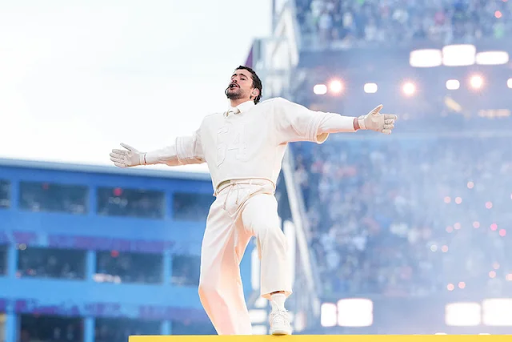
On February 8, 2026, Benito Antonio Martínez Ocasio, known to the world as Bad Bunny, took the stage at the Super Bowl Halftime Show. The rhythm of Puerto Rico was heard by millions of ears worldwide. In my opinion, the most important part of the show was the ending; which, by this time, has already made a significant impact on U.S. culture and media—one that we have never seen before.
Bad Bunny has captivated the world’s attention for a very long time. The first time I ever listened to him was his feature on the song “Vuelve” with Daddy Yankee in 2017. Its fusion of dark rhythms and Latin trap was what made the song so widely popular, and one of my favorite Bad Bunny features to this day. I had listened to his music from time to time ever since, but the moment he released the album Un Verano Sin Ti, was when he became a staple in my Spotify playlists. It was not just an album; it was a transformative experience that keeps me wishing I could listen to it for the first time again. The world seemed to agree, as it was the first album by a Latin artist to reach ten billion streams on Spotify.
Bad Bunny is known for unapologetically representing the pride of his home, Puerto Rico. Every single one of his songs offers a different experience, yet they all incorporate the beauty of Puerto Rican music and heritage. His most recent album, Debí Tirar Más Fotos, emphasizes the importance of cherishing your roots, your memories and how they shape who we are today. I believe this album, and all of his music, transcends language barriers by teaching us lessons that everyone, from all walks of life, can relate to.
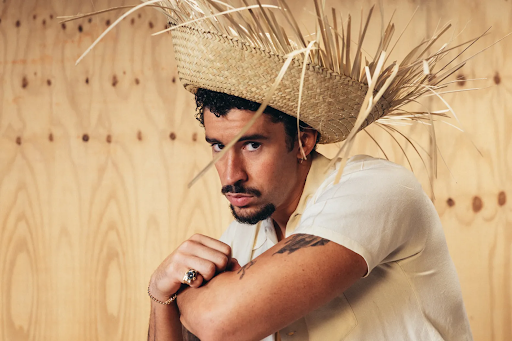
I personally relate to his music because I am a child of African immigrants. Every time I hear the drums in the background of Bad Bunny’s songs, it reminds me of my own home, my own past and my own heritage. A lot of Latin American music has been heavily influenced by African music and its journey across South America. Being a child of immigrants, and born in America, puts me in an interesting position when it comes to identity. I live with two cultures at home—both Western and Eastern, both African and American. My parents have been living in America for so long that they have assimilated more into the Western way of life; because of this, sometimes I feel that parts of our roots and memories have been lost in the past—not because we want to forget them, but because we’ve spent so much time away from them.
Bad Bunny’s music has taught me to remember my roots, hold onto them and cherish the snapshots of life that we will one day wish we could go back to. This is a lesson that I believe everyone should carry with them.