The Creativity Crisis
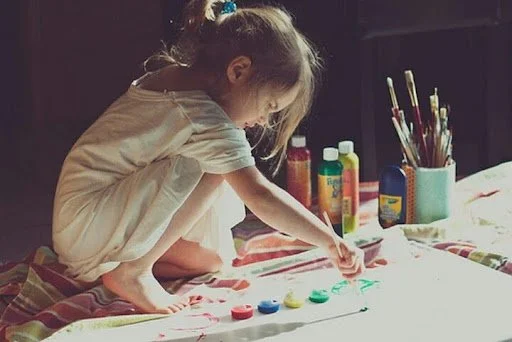
Picture this: You’re eight years old, sitting in your elementary school art classroom. You have a new teacher, one who is excited about making art; that makes you excited too. An assignment is given, supplies are distributed, ideas course through your mind. Pencil slides over paper, the paint comes next, then the finishing touches. Your little heart races when you realize something you’ve never understood until now – You’ve just created something out of nothing.
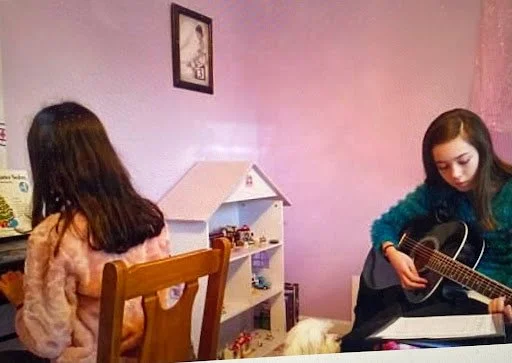
Ten years later, you’re sitting in your childhood bedroom over fall break. Upon coming home from school you’ve discovered artifacts from your childhood: paint from junior year, a guitar from middle school, your old poetry journal. You could rewrite an old poem now, learn a new song or paint a picture. You haven’t done any of it in ages, and even then, it wasn’t very good. So you tuck your paint away, zip your guitar back into its case and put your journal in the drawer where it lives for months at a time. You abandon your hobbies because you’re petrified of creating something that isn’t pristine. After all, if you can’t do it right the first time, why do it at all?
What is it about growing up that causes such a dramatic shift? Does creativity diminish as we age? Are we busier now, or do we simply lose sight of what makes the arts so critical to our lives?
If you were ever an aspiring young artist of any kind, the adults in your life probably either advised you to sell your creations or replace your skills with something that would truly benefit you in the future. In a world of capitalism, it can be difficult to see your hobbies and talents as anything but a career or at least a side-hustle, but I challenge you to go back to before your parents and teachers told you, “You ought to do something more practical.” Besides, of all the countless reasons to make art, practicality is rarely one of them.
So, why make art if not for a career? Most definitions of art include some combination of imagination, skill, beauty and the expression of emotion and ideas; none of which point to money or accomplishment. Instead, they point to a new way to communicate – more specifically, to communicate what simple words don’t reach. Have you ever felt something that could only be expressed through metaphor, color or sound? This is where your handiwork comes in. When we use the arts to express ourselves, divine things can happen. We experience catharsis, our thinking deepens, our loved ones bear witness to our creation and understand what we mean.
What if art was never meant to help you climb the corporate ladder or put food on your table? Maybe you were always meant to create like you did as a child: playfully, without expectations, unrestrained and unhurried, for no one but yourself and those you care for. Maybe then, you can rediscover the simple joy of creating something out of nothing.