
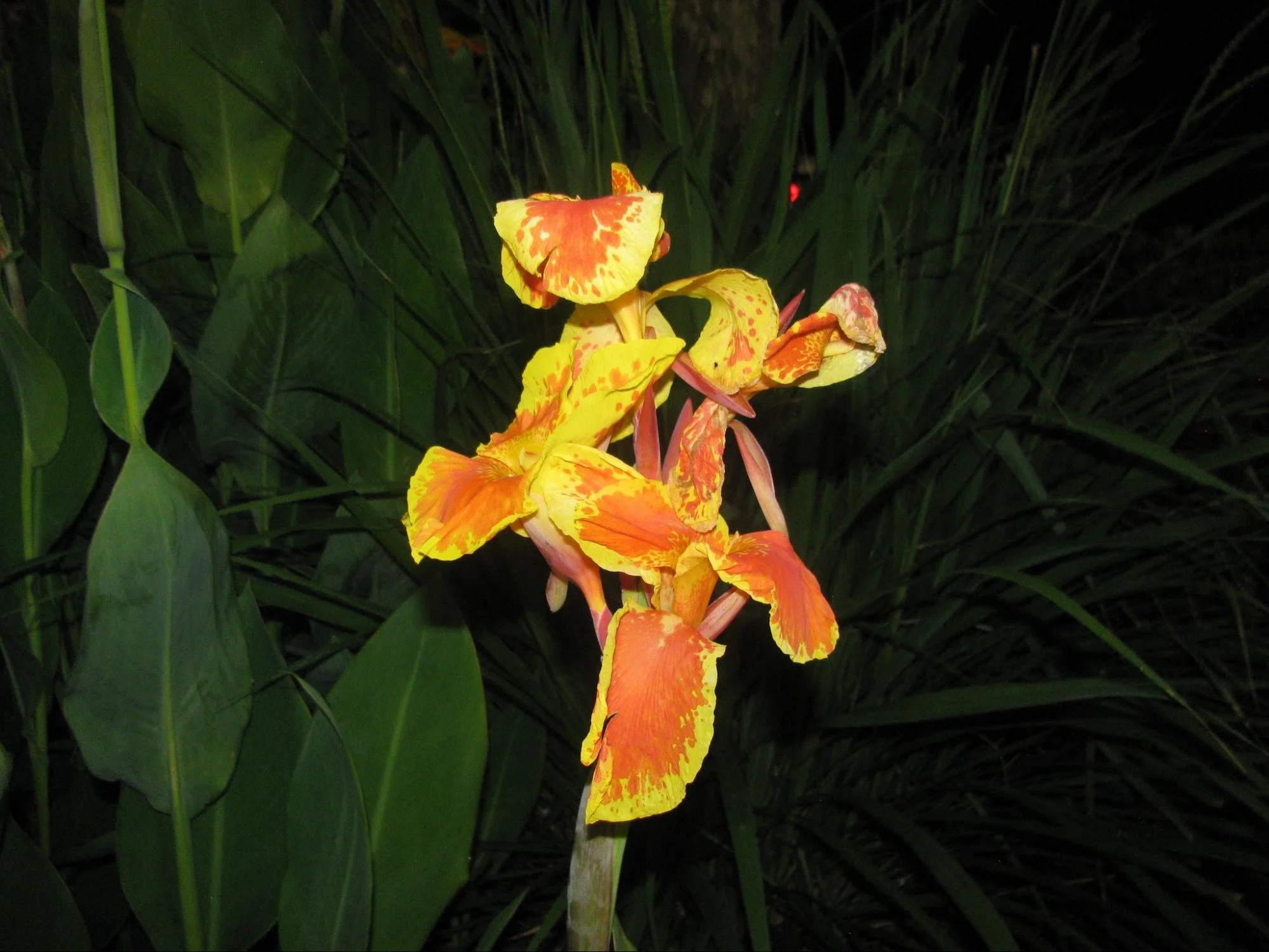
The earth has been colored by spring, with summer close behind in June, and it has been releasing its floral scents. The days have also grown longer and warmer, as the sun stretches the clock and space feels bigger than ever for thought.
Flowers are the perfect thought right now.
Flowers: Earth's natural art gallery, coming in a variety of colors, shapes, heights, scents, and, most importantly for humans, symbolic meanings. Whether it's a peony, sunflower, or snapdragon, someone has researched its representative flower at some point, but a question lingers: Why?
For as long as humanity can remember, people have given flowers symbolic meaning to connect with the Earth and seek an explanation of who they are. What determines their answer is dependent on the color, when and where it blooms or the name. It’s a difficult journey for humans to understand why they were brought into this world, and it’s in our nature to seek meaning.
Author Prachi Makwana wrote about how our ancestors created symbolic meaning through the simple act of observing flowers. How and when they bloomed helped them understand and connect with the natural world they were surviving alongside.
Among many other reasons, Makwana explains that humans viewed flowers and interpreted them through their own unique perspectives, whether through religion, folklore or cultural practices. Flowers held myths with moral lessons, while for others, they served as a way to interpret their own emotions.
Flowers were used as a language in the Victorian era, and each color delivered a distinct message. Known as the language of flowers, you can create your own meaning with these flowers as I share the meanings humanity has given them.
Peonies
Peonies are beautiful flowers, the size of a palm, with layers that look like they could be billions of them. It’s no secret that each flower has its own variations, and they’re usually based on color. In this case, peonies can come in red, pink, white, or coral.
Red peonies symbolize love and passion, which are strongly associated with romance, weddings, and anniversary celebrations. The boldness of red stands out, conveying a message of pure love.
When red is lightened, pink appears—a softer, more delicate color. This peony symbolizes delicate love, a sentiment humans associate with gratitude or admiration. The language of a pink peony embodies humans’ soft love for others.
When a peony comes in its lightest color, white, a different message appears. White peonies symbolize a new beginning. These peonies are used outside of love, such as when someone buys a bouquet of white peonies to mark a new chapter in their life.
“Each peony carries its unique meaning, and selecting the right color can transform a bouquet into a personal message,” My Peony Society said.
Azaleas
These flowers grow on shrubs, with most being pink, but they are also available in white, purple, and red. Oftentimes, with 5 petals, it represents femininity, warm affection or fragile beauty. However, its toxicity if ingested gave it a dual meaning: a message of caution or danger.
Beyond the dual meaning, what stands out about this flower is its deep connection to womanhood. Its elegance resonates with women and symbolizes resilience. This is often associated with pink azaleas.
The purple azalea represents a different tone, a more royal and spiritual one, while a white one carries more weight due to its connection to grief or innocence.
In stark contrast to peonies, azaleas carry a language of deeper, more emotional tones that weigh heavily on humans.
Foxgloves
Foxglove: An interesting name for a flower shaped like a bell. This flower is unlike the previous ones, as it stacks on top of itself along its green stem. From afar, they can look like a colorful honeycomb in pink, white, apricot, purple, and yellow. However, these flowers are actually far from sweet, as they can be fatally toxic to humans and animals if ingested.
Because of their beautiful, unique appearance, they have long been associated with fairies and magical worlds, as humans find them enchanting. Similarly to azaleas, they carry a dual meaning because of their toxic properties; they can affect the heart and cause cardiac arrest, making them a flower symbolizing deceit or danger.
Foxgloves are beautiful, enchanting, and whimsical, but they protect themselves against all harm with potential death. This flower is by far the deadliest one on the list. Perhaps humans can learn to be a foxglove and enjoy their whimsy, but never let others take that away, because rather than the foxglove dying, the admirer dies from within.
Periwinkles
The name slips from the mouth with brightness, as if a star is being summoned, perhaps because of the wink in periwinkle. This flower is the closest thing to being perfectly and intricately made, with usually five petals of equal size.
What adds to their name is the color named after them, as periwinkles are often lavender-bluish or lilac. However, they can come in many different colors, such as pink, purple or red.
These flowers are closely associated with softness and dreams, symbolizing the strong connections humans create with one another. Something beautiful about the language of flowers is that words can have colors, and periwinkles can bring out memories or offer a moment of reflection.
Intention—whatever humans aim to reflect in their actions—can be periwinkles.
These flowers don’t even make up a handful of the number of flowers that grow on this earth. There are many more to explore and find in nature, and it’s nature’s way of forcing humans to breathe and exist through exploration. Not just exploration of the planet, but within themselves, we’re invited to learn the language of flowers and become fluent in answering “why?”
Well, the why resides in no specific place, just within ourselves, in our own perspective, of what the world means to us, not the other way around.